Comprehensive Schizophrenia Care in Marietta
chizophrenia is a complex, long-term mental health disorder that affects how a person thinks, feels, and behaves. At Marietta Psychiatry, we understand that a diagnosis of schizophrenia can feel overwhelming for both the individual and their loved ones. Our mission is to provide a compassionate, evidence-based environment where patients can regain a sense of reality, stability, and independence.
Understanding Schizophrenia
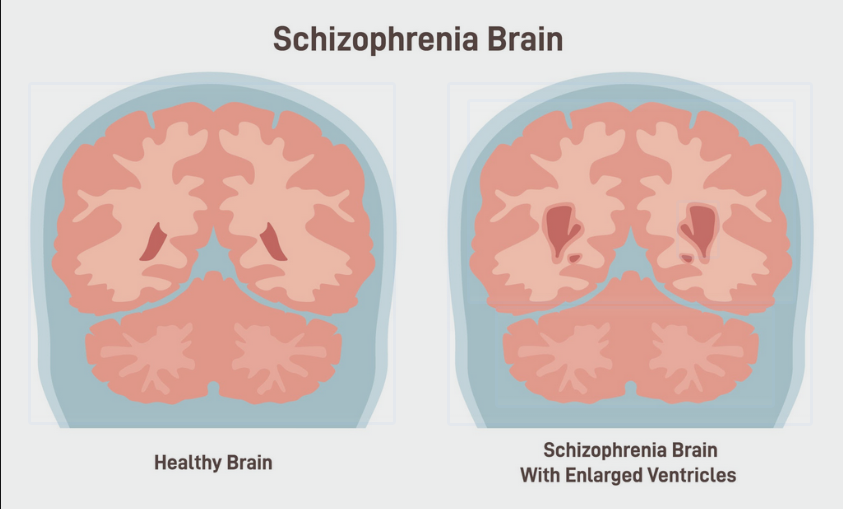
Schizophrenia is not a “split personality” but rather a neurobiological condition that disrupts the brain’s ability to process information correctly. It often emerges in early adulthood, though symptoms can appear at different stages of life.
Common Symptoms
We categorize symptoms into three main areas to better tailor our treatment plans:
Positive Symptoms (Psychotic Behaviors): These include hallucinations (seeing or hearing things that aren’t there) and delusions (firmly held false beliefs).
Negative Symptoms: These represent a loss of normal function, such as social withdrawal, lack of motivation, or a diminished range of emotional expression.
Cognitive Symptoms: Challenges with memory, attention, and the ability to organize thoughts or make decisions.
How Marietta Psychiatry Addresses Schizophrenia
We believe that no two journeys are the same. Our clinical team uses a multidisciplinary approach to ensure every patient receives holistic care.
1. Expert Diagnostic Evaluations
Before beginning treatment, our psychiatrists conduct a thorough evaluation to rule out other conditions and identify the specific symptom profile of the patient. This ensures our intervention is precise from day one.
2. Personalized Medication Management
Medication is often the cornerstone of managing schizophrenia. We utilize the latest antipsychotic medications to help stabilize brain chemistry (specifically dopamine and glutamate levels). Our team monitors patients closely to find the most effective dosage with the fewest side effects.
3. Integrated Psychotherapy
While medication addresses the biological symptoms, therapy helps with the human experience of the disorder. We offer: