Compassionate PTSD Treatment in Marietta

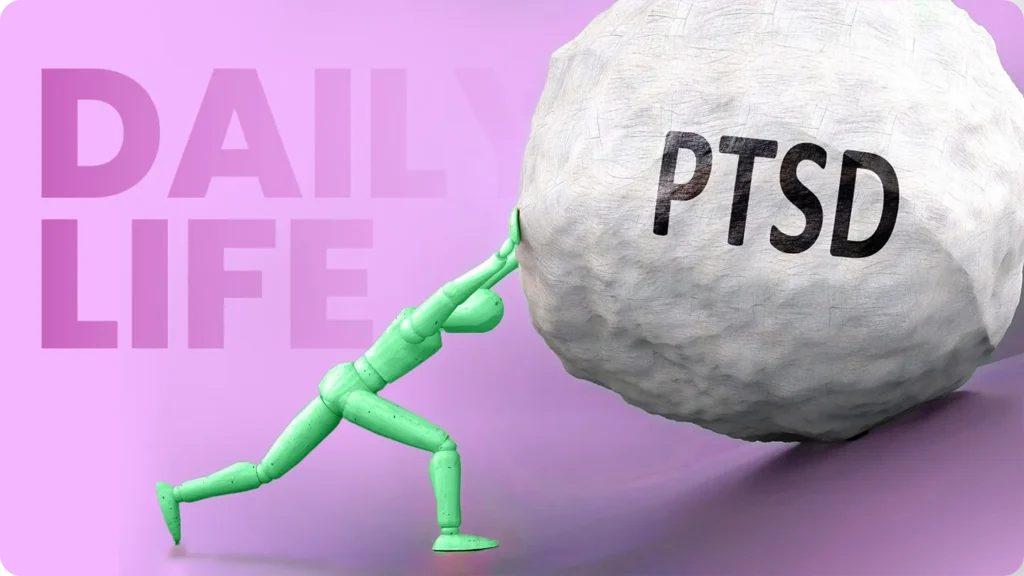
Post-Traumatic Stress Disorder (PTSD) is a mental health condition triggered by experiencing or witnessing a terrifying event. While it is completely natural to feel afraid or overwhelmed during and after a trauma, those feelings usually fade over time. For individuals with PTSD, however, the nervous system remains stuck in a state of high alert, deeply impacting daily life, relationships, and overall well-being.

At Marietta Psychiatry, we offer a safe, judgment-free space where you can process your experiences, manage your symptoms, and reclaim control of your life.

Understanding PTSD

PTSD can develop after any event that involves an actual or perceived threat of death, serious injury, or violation. This includes military combat, physical or sexual assault, natural disasters, severe accidents, or the sudden loss of a loved one.
Common Symptoms

PTSD symptoms are generally grouped into four main categories:

  • Intrusive Memories: Vivid flashbacks, distressing dreams, or intense emotional and physical reactions to reminders of the trauma.

  • Avoidance: Actively staying away from places, people, or activities that trigger memories of the event, or resisting talking about what happened.

  • Negative Changes in Thinking and Mood: Persistent feelings of hopelessness, memory gaps regarding the trauma, detachment from loved ones, or an inability to experience positive emotions.

  • Changes in Physical and Emotional Reactions (Arousal): Being easily startled, constantly on guard (hypervigilance), experiencing angry outbursts, or struggling with insomnia and concentration.

Frequently Asked Questions

Common Concerns Addressed

Does PTSD only happen to military veterans?

No. While PTSD is well-known among combat veterans, it can affect anyone who has experienced or witnessed a traumatic event. It impacts people of all ages, cultures, and backgrounds.

Symptoms usually begin within three months of the traumatic event, but in some cases, they may not surface until months or even years later (known as delayed-onset PTSD).

It is normal to experience grief, anxiety, and sleeplessness after a trauma. However, if these symptoms last for more than a month, worsen over time, and disrupt your ability to function at work, school, or home, it may be PTSD.

Yes. With the right combination of therapy and medical support, many people experience a significant reduction in symptoms—to the point where PTSD no longer disrupts their daily lives. The goal of treatment is to move the trauma from a constant, living threat to a past memory.